




Canada's immigration system was once a global benchmark.
It was structured, merit-based and economically driven,
attracting educated, highly skilled and diligent workers who
were eager to fill essential roles and contribute to Canada's
long-term growth.
They took the jobs available, built careers
and strengthened communities.
However, over the past decade, Trudeau's "Hot N Cold"
immigration policies left many Canadians
uneasy as
immigration shifted from an economic tool to a political metric,
a numbers game of quantity over quality that eroded its
competitive advantage. The issues:
- Skills Mismatch – Despite record immigration, businesses
face economic strain as many newcomers are overqualified
while trades and healthcare face chronic shortages. - Integration Gaps – Insufficient housing and settlement
support have led to underemployment and frustration. - Diploma Mills – Treating student visas as a "cash grab" has prioritized immigration utility over academic intent,
resulting in disengaged learning spaces.
Mark Carney's approach to immigration is what Canadians have been waiting for, one that will help us reach the
right balance of labor and talent.
- Labor Market Alignment – Canada's Express Entry program prioritizes trades, healthcare and tech over broad
intake quotas. - Housing and Infrastructure Investment – Carney launched Build Canada Homes, a
federal agency aimed at rapidly building affordable housing at scale. - Credential Recognition Acceleration – Canada provides a fast-tracked approach to
permanent residency for people with an active or expired H-1B visa.
Carney stated: "We are getting immigration under control. To match immigration levels
with our needs and our capacity, the budget will include Canada's new immigration plan
to do better – for newcomers, for everyone." This is a message all Canadians have been
eager to hear.
Immigration is the best solution forward, but we need to get back to basics and what
worked for more than 100 years.
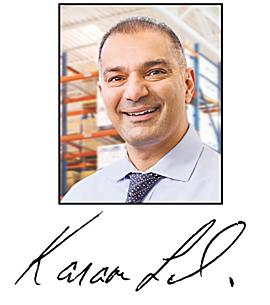
Karam Lal
Canada
Branch Manager

SHIPS TODAY
Order by 6 PM for same
day shipping.
IN STOCK
Over 45,000 quality products
in stock in all locations to
help you run your business.
SERVICE
Order your way, either online
or with a customer service
representative, 24 hours a
day, 7 days a week!






Businesses of EAU Holdings – owned and operated by the Uihlein family.
- • Lost in Translation: The Buy Canadian
Movement - • A Vote of No Confidence
- • Insufficient Funds and Broken Promises
- • Immigration – Industry Needs Over
Ideology - • Hire to Retire
- • Family Values
- • Do Less, Make More
- • Watch Out for This Guy, "He's Mean"
- • From FOMO, to YOLO, to OH NO!!!!
- • Dress Code – Pajamas
- • People Working for You
- • The Car, the Battery and the Economy
 View All Letters
